
Fiber Optic Planning, Installation and Test Guides
Use these starting points to connect product specifications with real network decisions.
Start with the Question You Need to Answer
Each topic opens a dynamic article route backed by the existing database and routing logic.
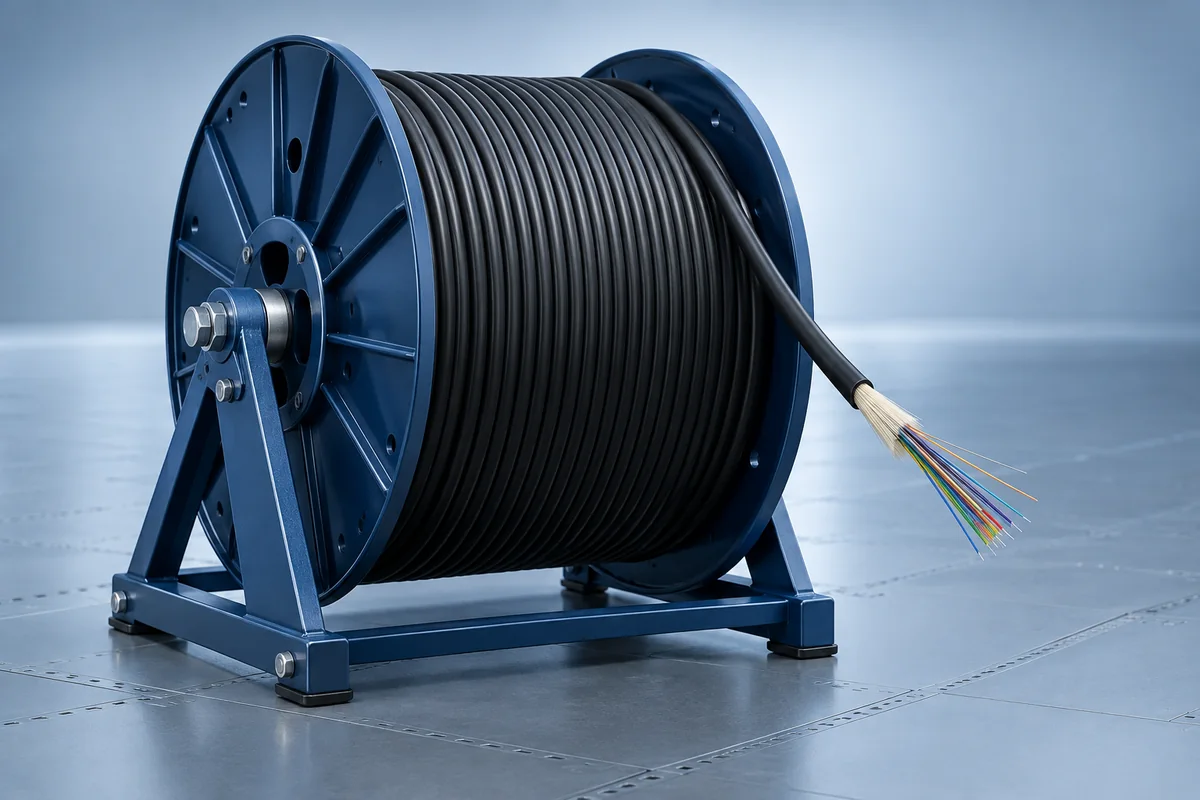
How to Select a Fiber Optic Cable
Compare fiber category, construction, routing environment, bend limits and protection.
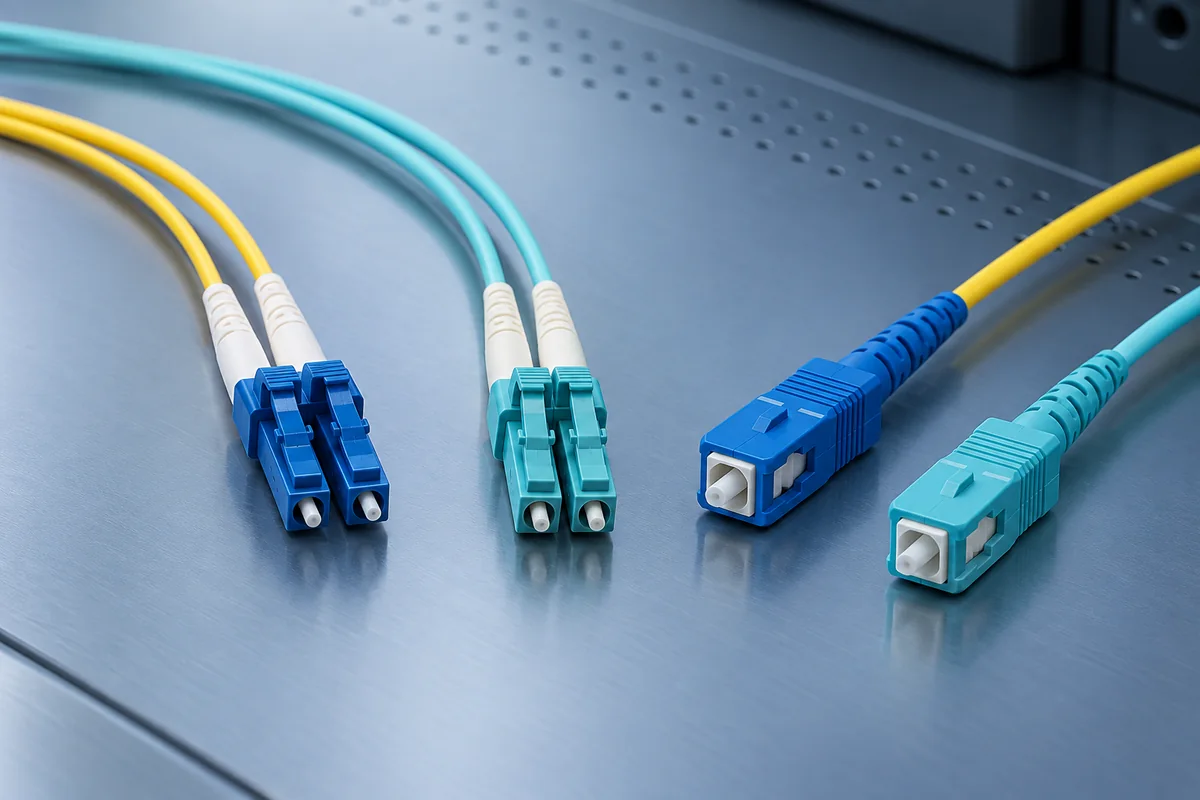
Connector Types, Polish and Cleaning
Understand LC, SC, UPC/APC compatibility, contamination risk and inspection.
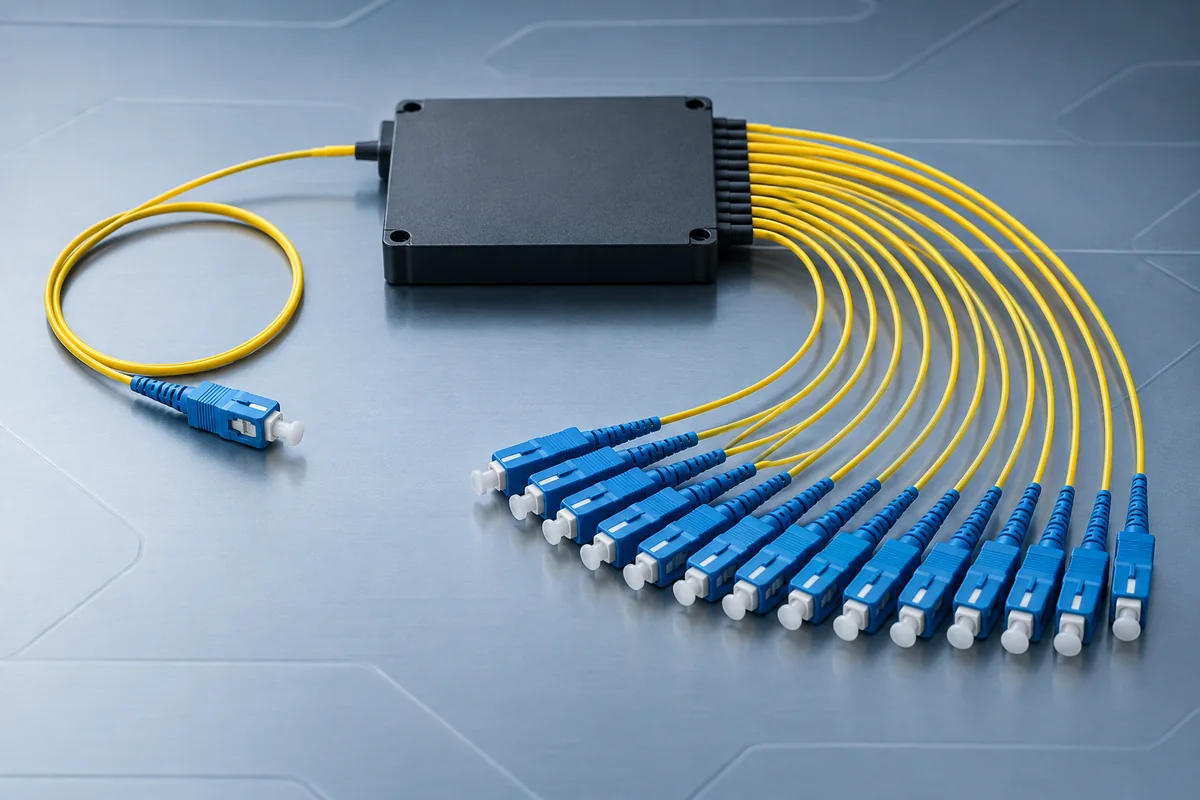
FTTH ODN and PLC Splitter Planning
Relate split ratio, placement, package and connectorization to the loss budget.
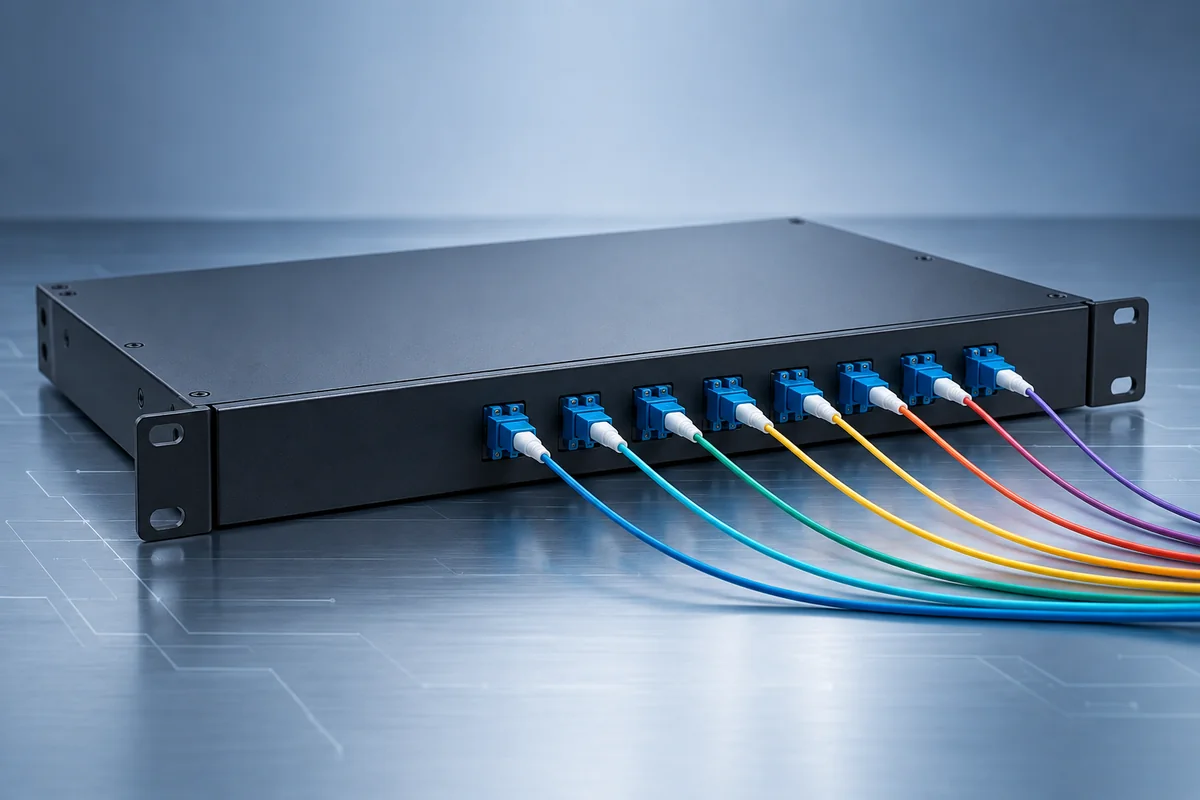
CWDM and DWDM Channel Planning
Review channel spacing, passband, insertion loss, isolation and upgrade needs.
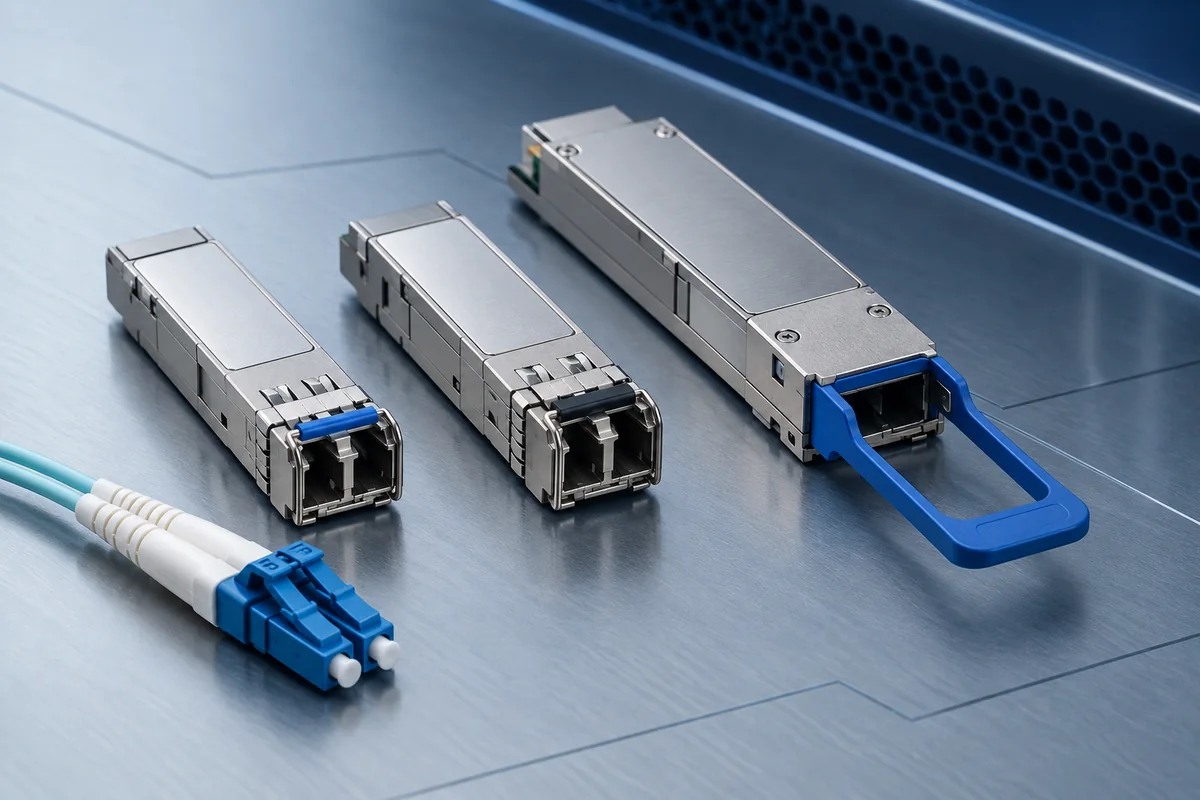
Optical Transceiver Compatibility
Match form factor, rate, wavelength, reach, connector, fiber and host support.
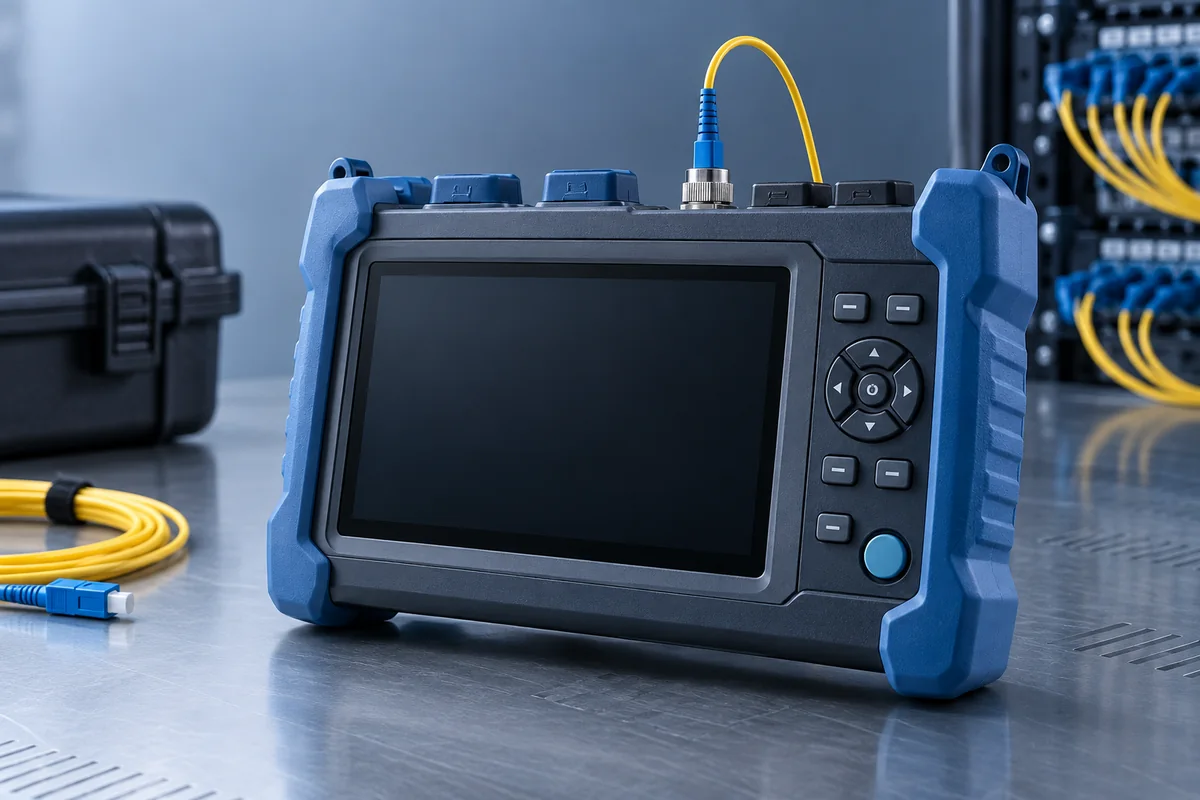
Insertion-Loss and OTDR Testing
Choose the measurement that answers the acceptance or troubleshooting question.
Quick Reference
Short answers point to the variables that should be checked in more detail.
What is the difference between single-mode and multimode fiber?
Single-mode fiber uses a smaller core and supports long-reach transmission with suitable optics. Multimode fiber is commonly used for shorter building and data-centre links. The fiber and transceiver must be selected as a compatible system.
Can APC and UPC connectors be directly mated?
No. Their end-face geometry differs, and direct mating can create high loss or damage. Match polish types and use the correct adapters and patch cords.
Why is an optical loss budget needed?
It compares transmitter/receiver capability with losses from fiber, connectors, splices, splitters and passive devices, while reserving an engineering margin.
Does an OTDR replace insertion-loss testing?
Not generally. An OTDR helps locate and characterize events along a route; end-to-end loss testing measures channel insertion loss. Project requirements determine which records are needed.
What information is needed to select an optical transceiver?
At minimum: host platform, form factor, data rate, wavelength, fiber type, connector, required reach, temperature range and any coding or interoperability requirements.
Why must connectors be inspected before mating?
Dust or residue can increase loss, reflectance and surface damage. Inspect-clean-inspect practice reduces avoidable faults and repeat testing.
Describe the link and the decision you are making
Distance, interface, wavelength, topology and environment help focus the discussion.