COETZER OPTICALFIBER NETWORK SYSTEMS Technical Inquiry

Fiber Optic Patch Cord Type Identification

Fiber optic patch cords are identified by their fiber type, connector type, polish type, simplex/duplex configuration, and jacket material, which together determine compatibility and performance.Key Identification Factors

1. Fiber Type

  • Single-mode (SMF): Yellow jacket, small core (~9 µm), suitable for long-distance communication with minimal signal loss .
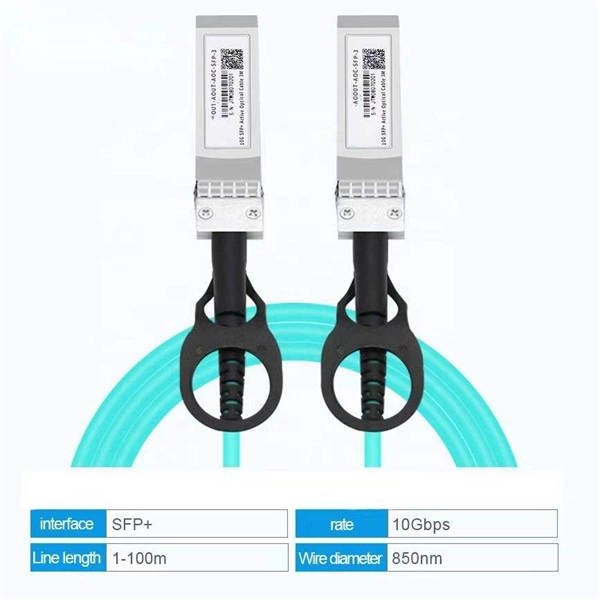
  • Multimode (MMF): Larger core (50–62.5 µm), suitable for short-distance applications like LANs and data centers. Jacket colors indicate type: OM1/OM2 (orange), OM3 (aqua), OM4 (violet), OM5 (lime green), . 2. Connector Type
  • LC: Small form factor, high-density, common in data centers .
  • SC: Larger, robust, widely used in telecom and FTTH .
  • ST: Bayonet-style, rugged, often used in industrial or military applications .
  • FC: Screw-on type, used in high-vibration environments .
  • MPO/MTP: Multi-fiber connectors for high-speed backbone or data center applications .
  • Hybrid connectors: Combine different types on each end (e.g., LC–SC) for device compatibility . 3. Ferrule Polish Type
  • PC (Physical Contact): Standard polish, moderate return loss .
  • UPC (Ultra Physical Contact): Flat end-face, low back-reflection, common in digital networks .
  • APC (Angled Physical Contact): 8° angled end-face, minimizes back-reflection, preferred for high-speed or CATV systems .
  • Identification tip: UPC connectors are usually blue, APC connectors are green . 4. Simplex vs. Duplex
  • Simplex: Single fiber, one-way communication .
  • Duplex: Two fibers, two-way communication (Tx/Rx), standard for Ethernet and PON links . 5. Jacket Material and Environmental Suitability
  • PVC: Standard indoor use .
  • LSZH (Low Smoke Zero Halogen): Safer for enclosed spaces, produces minimal smoke in fire .
  • OFNR/OFNP: Plenum-rated, fire-resistant for air-handling spaces .
  • Armored or outdoor jackets: Provide mechanical protection and weather resistance for industrial or outdoor deployments .
Practical Identification Tips
  • Visual inspection: Check jacket color for fiber type and connector color for polish type.
  • Connector shape: Compare with standard LC, SC, ST, FC, or MPO forms.
  • Labeling: Many patch cords are labeled with fiber type, length, and connector type.
  • Testing: Use an optical power meter or OTDR to verify fiber mode and signal integrity if uncertain. By combining these factors—fiber type, connector type, polish, simplex/duplex, and jacket material—you can accurately identify and select the correct fiber optic patch cord for your network application .
Fiber Optic Patch Cord Type Identification

Fiber Optic Patch Cord Types: The Complete Field Guide For 2026

TL;DR: This guide breaks down every optical patch cord type by connector, fiber mode, polish, and cable structure, then shows you

A Comprehensive Guide to Fiber Optic Patch Cables

Fiber optic patch cables are found almost everywhere; cable television networks (CATV), data centers, computer networks, and

Understanding Fiber Patch Cord Types

A fiber optic patch cord —also known as a fiber jumper—is a fiber cable terminated with connectors on both ends. These connectors

Why is Fiber Color Code important? – LightOptics®

Colored outer jackets or print may be applied to outside plant and premises fiber cables, such as fiber distribution cables, fiber optic

Fiber Color Code: A Simple Guide for Beginners (2024)

Fiber optic cables for external plants and premises, such as fiber optic distribution cables and fiber optic patch cables,

Related Video Reference

This video was associated with the source search result. Verify technical details against current product documentation and project requirements.

Technical note

This reference is intended for preliminary optical-network research. Compatibility, link budgets, installation methods, test limits and applicable standards must be verified for the specific project.

Still Have a Technical Question?

Use the inquiry form to describe a fiber link, component choice or testing question.

Start an Inquiry